BitcoinWorld World Verification Revolution: Sam Altman’s Ambitious Plan to Authenticate Humanity in the AI Era In a significant move that could reshape digital trust, Sam Altman’s World project announced ambitious expansion plans during a San Francisco event on April 30, 2025, targeting dating apps, entertainment ticketing, and business communications with its human verification technology. World …
BitcoinWorld
World Verification Revolution: Sam Altman’s Ambitious Plan to Authenticate Humanity in the AI Era
In a significant move that could reshape digital trust, Sam Altman’s World project announced ambitious expansion plans during a San Francisco event on April 30, 2025, targeting dating apps, entertainment ticketing, and business communications with its human verification technology.
World Verification Technology Reaches Tinder Users Globally
Tools for Humanity, the organization behind the World project, revealed comprehensive integration plans for its verification systems. The company will deploy its technology across multiple sectors of public life. These sectors include dating applications, event ticketing platforms, business organizations, and email services. The announcement came during a packed event at The Midway near San Francisco’s waterfront.
Sam Altman addressed the audience about the project’s timing and importance. “We are approaching an era with extremely powerful artificial intelligence,” Altman stated. “This development brings numerous benefits. However, we’re also entering a period where AI-generated content may surpass human-created material.” He highlighted growing user confusion about online interactions. “Many people now question whether they’re engaging with AI systems or human beings during digital exchanges.”
How World’s Verification System Distinguishes Humans from AI
The World project employs sophisticated cryptographic methods to verify human presence while protecting user anonymity. The system utilizes zero-knowledge proof-based authentication technology. This approach allows verification without revealing personal identification details. The company describes these mechanisms as “proof of human” tools.
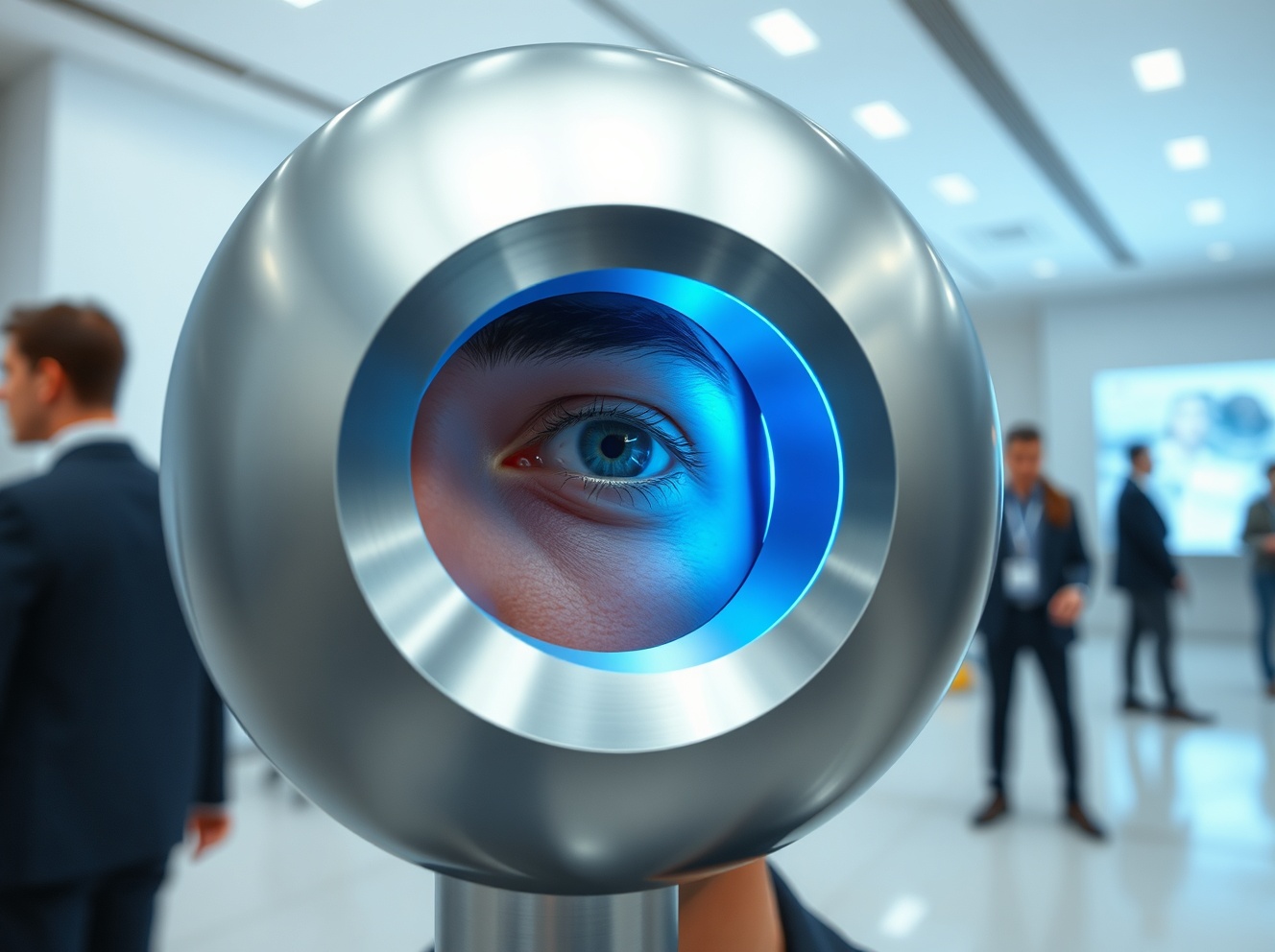
World’s primary verification instrument is the Orb, a spherical digital reader. This device scans users’ irises to create unique cryptographic identifiers. These anonymous World IDs enable access to verified services. Users can still utilize World’s application without undergoing Orb verification. However, the highest verification tier requires this biometric scanning process.
The Technical Architecture Behind Anonymous Verification
World’s system converts iris patterns into cryptographic hashes that cannot be reverse-engineered. This process ensures biometric data remains secure and private. The verification occurs locally on the Orb device itself. No raw biometric information ever reaches company servers. This architectural decision addresses significant privacy concerns surrounding biometric data collection.
Tinder Integration Marks Major Step in Verification Adoption
World has prepared for dating app verification deployment for several months. The company specifically targeted Tinder as its initial major partner. Last year, Tinder conducted a World ID pilot program in Japan. This trial apparently achieved successful results. Consequently, World announced global market expansion for Tinder verification, including United States implementation.
The integration places a World ID emblem on verified user profiles. This symbol authenticates users as verified human beings. The verification process aims to reduce bot accounts and fraudulent profiles. Dating platforms have increasingly struggled with automated accounts and catfishing schemes. World’s technology could potentially address these persistent industry challenges.
Entertainment Industry Embraces Concert Verification System
World introduced Concert Kit, a new feature for the entertainment sector. Musical artists can reserve concert tickets specifically for World ID-verified humans. This system aims to protect fans from ticket scalpers. Automated ticket-buying bots frequently purchase large quantities of seats for resale. Concert Kit works with major ticketing platforms including Ticketmaster and Eventbrite.
The company secured partnerships with prominent musical artists to promote this feature. Thirty Seconds to Mars and Bruno Mars plan to utilize Concert Kit for upcoming tours. These partnerships demonstrate growing industry interest in verified ticketing solutions. The entertainment sector has faced increasing challenges with automated ticket purchasing systems.
Business Applications Address Deepfake Concerns
World announced several business-oriented verification integrations during the event. A Zoom/World ID partnership seeks to combat deepfake threats during business communications. This integration verifies participant identities during video conferences. Additionally, a DocuSign collaboration ensures signatures originate from authenticated users. These business applications respond to growing concerns about AI-generated impersonation.
The company also revealed development work on “agent delegation” features. This system allows users to delegate their World ID to AI agents. These agents can then perform online activities on behalf of verified humans. A partnership with authentication firm Okta created a beta system for agent verification. This technology confirms when agents operate with human authorization.
Scaling Challenges and Multi-Tier Verification Solutions
World has encountered significant scaling difficulties throughout its development. The verification process historically required physical Orb scanning at company offices. This requirement created accessibility barriers for potential users. The company has implemented several strategies to increase verification adoption rates.
World previously distributed Orbs through major retail chains. Users could verify themselves during shopping trips or coffee breaks. The company now announces expanded Orb availability in three major metropolitan areas. These locations include New York City, Los Angeles, and San Francisco. Additionally, World promotes remote verification services where Orbs travel to user locations.
Tiago Sada, World’s chief product officer, explained the multi-tier verification approach. The company developed three distinct verification levels with varying security requirements:
- Orb Verification (Highest Tier): Biometric iris scanning providing maximum security
- Government ID Verification (Mid Tier): Anonymous scanning of official identification via NFC chips
- Selfie Check (Basic Tier): Privacy-focused facial verification with local device processing
Sada acknowledged limitations with selfie verification during his presentation. “We implement best practices for this verification method,” Sada noted. “However, all systems have inherent limitations that developers must consider.” The multi-tier approach allows application developers to select appropriate verification levels based on security needs.
The Competitive Landscape of Digital Identity Verification
World operates within a crowded digital identity verification market. Numerous companies offer competing solutions for online authentication. However, World distinguishes itself through its privacy-preserving architecture. The system’s zero-knowledge proof technology represents a significant technical advancement. This approach addresses growing consumer concerns about data privacy and surveillance.
The verification market has expanded rapidly alongside AI proliferation. Businesses increasingly require tools to distinguish human users from automated systems. World’s timing coincides with heightened awareness about AI-generated content. This market positioning could provide competitive advantages as AI capabilities continue advancing.
Conclusion
Sam Altman’s World project represents a ambitious attempt to establish human verification standards in the AI era. The technology’s expansion into dating, entertainment, and business applications demonstrates its versatile potential. As artificial intelligence systems become increasingly sophisticated, verification mechanisms like World’s may become essential infrastructure for digital trust. The project’s success will depend on user adoption, privacy protections, and effective scaling across global markets.
FAQs
Q1: What is the World project’s main purpose?
The World project aims to verify human presence in digital interactions while protecting user anonymity, using cryptographic technology to distinguish humans from AI systems and bots.
Q2: How does World verification work on Tinder?
Verified Tinder users receive a World ID emblem on their profiles after completing verification, indicating they have been authenticated as real humans through World’s system.
Q3: What are the different verification tiers available?
World offers three verification tiers: Orb biometric scanning (highest security), government ID verification via NFC (medium security), and Selfie Check with local device processing (basic verification).
Q4: How does Concert Kit protect against ticket scalpers?
Concert Kit allows artists to reserve tickets exclusively for World ID-verified humans, preventing automated bots from purchasing large quantities of seats for resale purposes.
Q5: What privacy protections does World’s system include?
World uses zero-knowledge proof technology that verifies human presence without revealing personal identification details, and processes biometric data locally on devices rather than company servers.
This post World Verification Revolution: Sam Altman’s Ambitious Plan to Authenticate Humanity in the AI Era first appeared on BitcoinWorld.