BitcoinWorld Mount Carmel, Tennessee, Unanimously Bans Crypto Mining Facilities to Protect Infrastructure The town of Mount Carmel in northeastern Tennessee has taken a firm stand against cryptocurrency mining. On July 23, the city council voted unanimously to ban the construction of new cryptocurrency mining facilities and data centers within city limits. Mayor John Gibson and …
BitcoinWorld
Mount Carmel, Tennessee, Unanimously Bans Crypto Mining Facilities to Protect Infrastructure
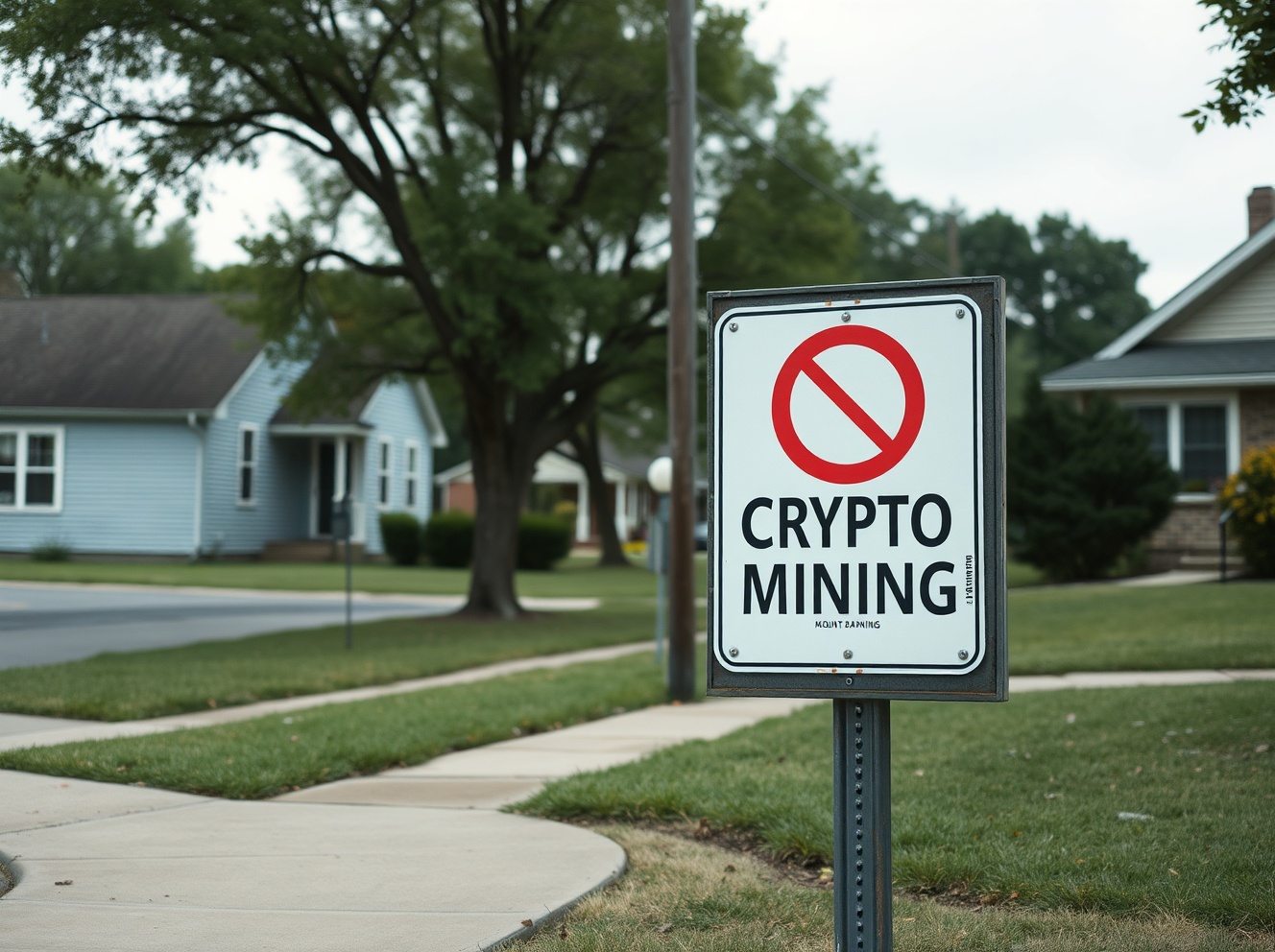
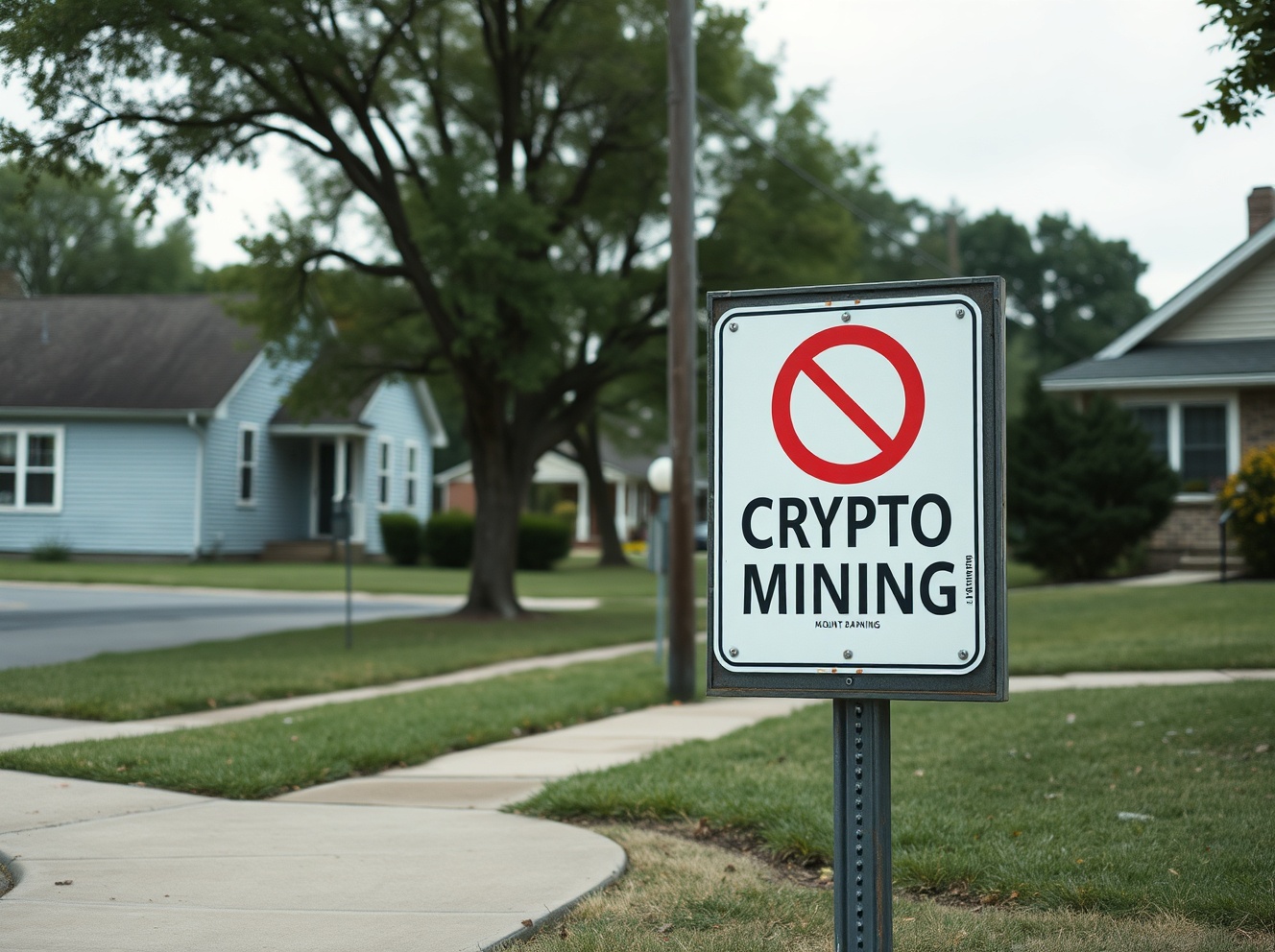
The town of Mount Carmel in northeastern Tennessee has taken a firm stand against cryptocurrency mining. On July 23, the city council voted unanimously to ban the construction of new cryptocurrency mining facilities and data centers within city limits. Mayor John Gibson and council members approved the ordinance after concluding that such operations would strain local infrastructure and offer little benefit to the community.
Why Mount Carmel Chose to Act
According to the ordinance, the city government decided to prohibit crypto mining operations to protect the city’s infrastructure, public utility systems, and residents’ quality of life. Mayor John Gibson stated during the meeting that mining facilities and data centers would bring no tangible benefit to the community. The decision reflects a growing pattern among smaller municipalities that are grappling with the energy demands and noise complaints associated with crypto mining.
Cryptocurrency mining requires substantial amounts of electricity and generates significant heat and noise. For a town like Mount Carmel, which has a population of just over 5,000 residents, the potential strain on the local power grid and the risk of rising utility costs for residents were major concerns. The council also cited the lack of local job creation from such facilities as a key factor in the decision.
A Growing Trend Among Local Governments
Mount Carmel is not alone in its approach. Across the United States, local governments are increasingly passing moratoriums or outright bans on new crypto mining operations. In New York, a state-level moratorium on proof-of-work mining using carbon-based power was signed into law in 2022. Similar debates have occurred in municipalities in Texas, Washington, and North Carolina, where residents have raised concerns about noise, energy consumption, and environmental impact.
Unlike large-scale data centers operated by tech companies, many crypto mining facilities operate with minimal staffing and can be placed in repurposed industrial buildings. This makes them less attractive to local governments seeking economic development. The Mount Carmel council’s unanimous vote signals that the town prioritizes residential stability and infrastructure reliability over speculative industrial projects.
Implications for Residents and the Crypto Industry
For Mount Carmel residents, the ban provides immediate clarity. No new mining permits will be issued, and existing zoning laws will not be amended to accommodate such facilities. The ordinance does not appear to target individual hobbyist miners but is clearly aimed at commercial-scale operations.
For the cryptocurrency industry, the decision adds to a patchwork of local regulations that make site selection increasingly complex. While some states actively court crypto miners with tax incentives and deregulated energy markets, smaller towns are pushing back. The Mount Carmel ordinance is a reminder that local governance remains a powerful force in shaping the industry’s physical footprint.
Conclusion
Mount Carmel’s unanimous ban on crypto mining facilities reflects a careful, community-first approach to industrial regulation. By prioritizing infrastructure protection and quality of life over speculative economic promises, the city council has set a clear policy direction. As more local governments face similar decisions, the Mount Carmel model may serve as a reference point for other small towns weighing the costs and benefits of hosting crypto mining operations.
FAQs
Q1: Does the ban affect existing crypto mining operations in Mount Carmel?
The ordinance bans the construction of new facilities. It does not appear to retroactively apply to any existing operations, though the city has not publicly identified any currently active mining facilities within its jurisdiction.
Q2: Why did the city council cite infrastructure concerns?
Cryptocurrency mining consumes large amounts of electricity and generates heat and noise. The council was concerned that such facilities could strain the local power grid, increase utility costs for residents, and reduce overall quality of life in the community.
Q3: Are other Tennessee cities considering similar bans?
While Mount Carmel is one of the first in Tennessee to pass a comprehensive ban, other municipalities across the U.S. have enacted moratoriums or restrictions. The trend is growing as local governments evaluate the real-world impacts of crypto mining on residential areas.
This post Mount Carmel, Tennessee, Unanimously Bans Crypto Mining Facilities to Protect Infrastructure first appeared on BitcoinWorld.