BitcoinWorld Australian Dollar Drops to 0.70 as Strong US ISM PMI Boosts Dollar The Australian Dollar fell to 0.70 against the US Dollar on [date], as a stronger-than-expected US ISM Manufacturing PMI revived demand for the greenback, reversing some of the Aussie’s recent gains. What drove the AUD/USD decline? The US ISM Manufacturing PMI came …
BitcoinWorld
Australian Dollar Drops to 0.70 as Strong US ISM PMI Boosts Dollar
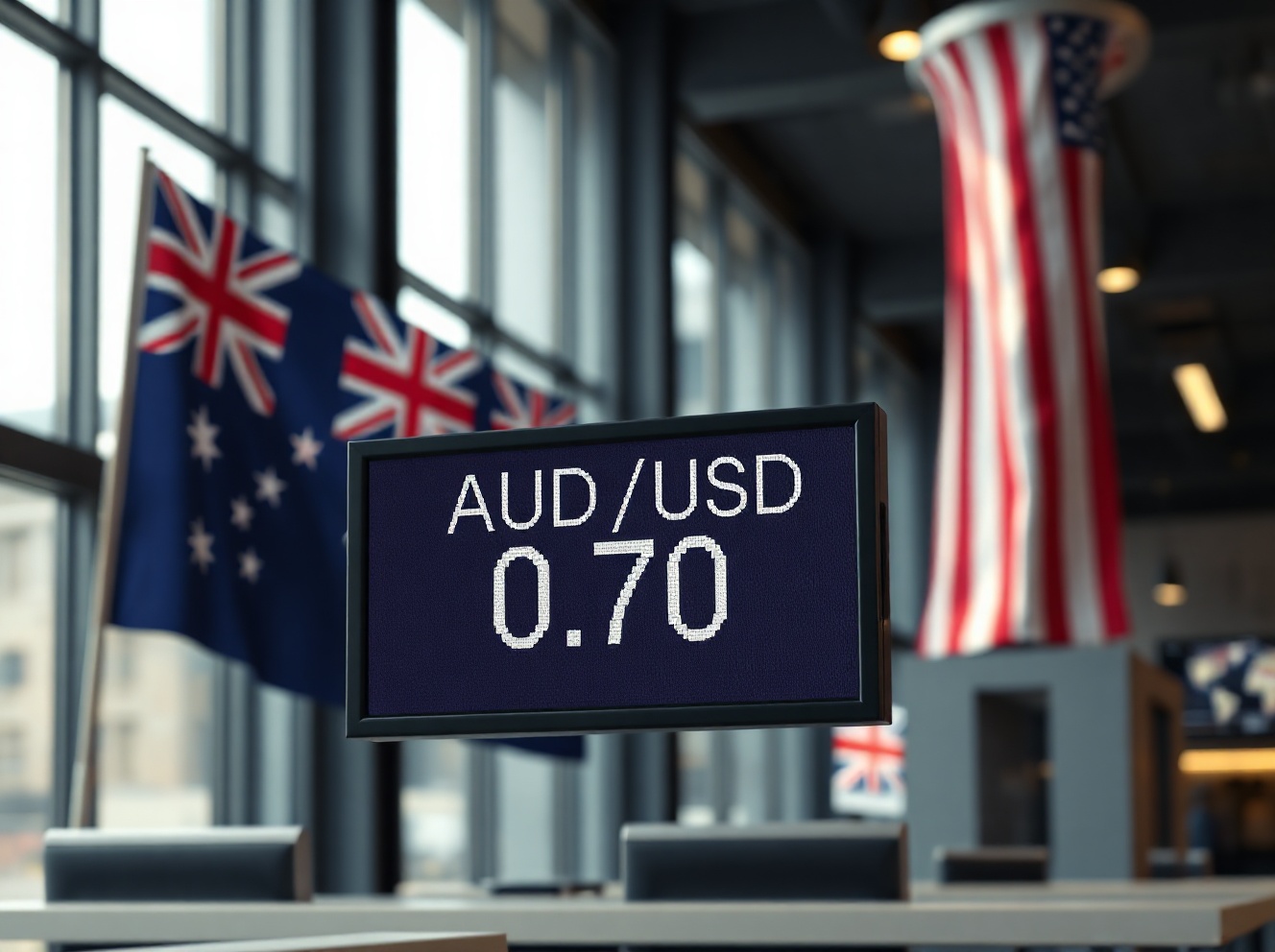
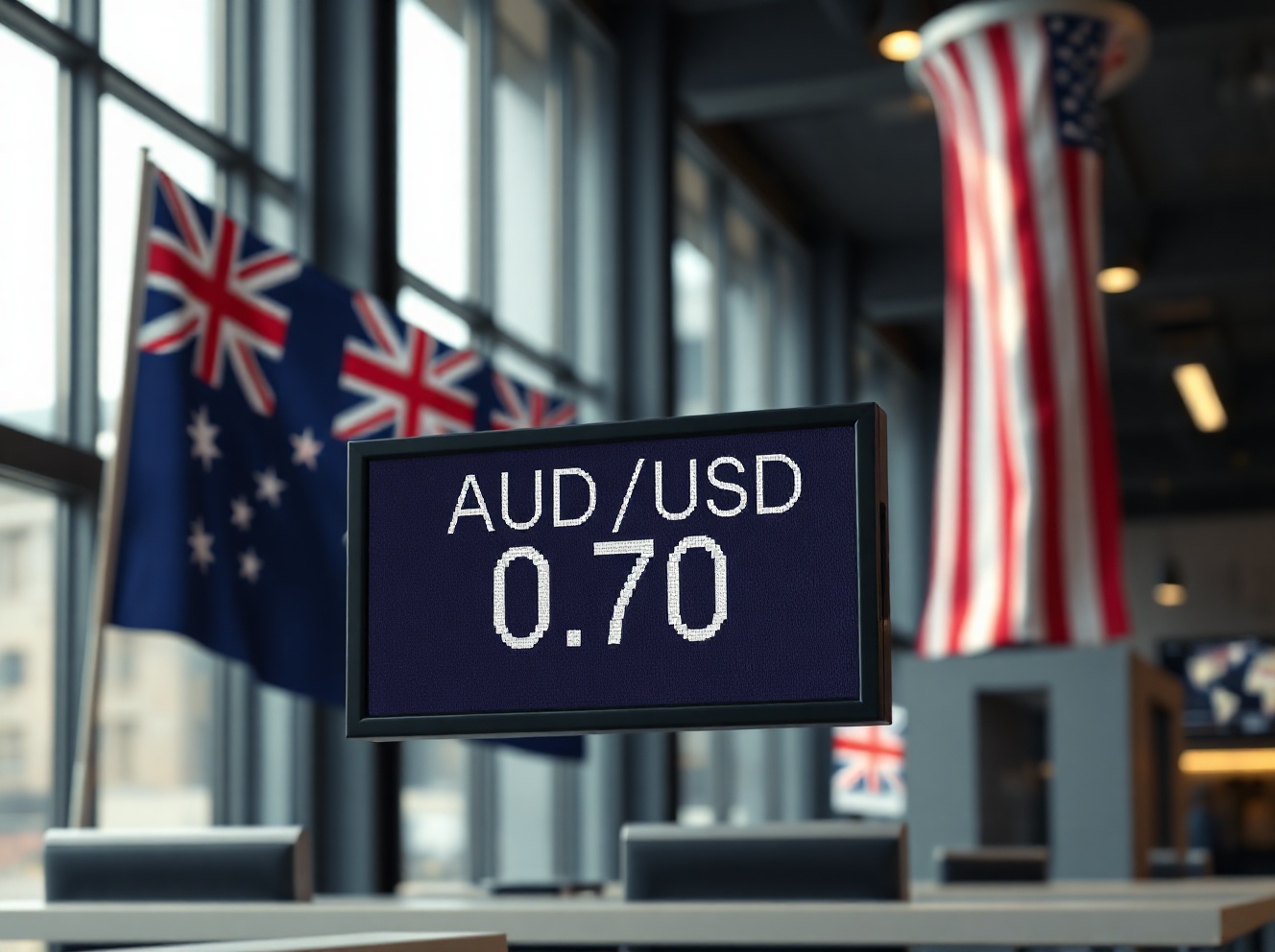
The Australian Dollar fell to 0.70 against the US Dollar on [date], as a stronger-than-expected US ISM Manufacturing PMI revived demand for the greenback, reversing some of the Aussie’s recent gains.
What drove the AUD/USD decline?
The US ISM Manufacturing PMI came in at [actual value], beating market forecasts of [forecast value]. The upbeat data reinforced expectations that the Federal Reserve may keep interest rates higher for longer, supporting the US Dollar across the board.
In contrast, the Australian Dollar faced headwinds from [mention any specific factors, e.g., weaker commodity prices, RBA outlook, or China concerns], which added to the downward pressure on the currency pair.
Market implications for traders
The move below the 0.70 psychological level is significant for forex traders, as it could signal further downside if the US Dollar continues to strengthen. Technical analysts are watching key support levels around 0.6950, with resistance now at 0.7050.
The pair’s movement also reflects broader market sentiment, with investors adjusting their positions ahead of upcoming US economic data and central bank meetings.
Why does this matter?
For Australian exporters and importers, a weaker AUD can make exports more competitive but increase the cost of imported goods. For global investors, the AUD/USD pair is often seen as a barometer of risk appetite, given Australia’s reliance on commodity exports and its close ties to the Chinese economy.
Conclusion
The Australian Dollar’s slide to 0.70 against the US Dollar underscores the impact of resilient US economic data on global currency markets. As the Fed maintains its hawkish stance, the Aussie may remain under pressure unless domestic fundamentals improve or China’s economic outlook brightens.
FAQs
Q1: What is the US ISM PMI and why does it affect the AUD/USD?
The ISM Manufacturing PMI is a key indicator of US economic health. A stronger PMI suggests a robust economy, which can lead to higher interest rates and a stronger US Dollar, putting downward pressure on AUD/USD.
Q2: Is the 0.70 level a major support for AUD/USD?
Yes, 0.70 is a psychological level that traders watch closely. A break below could lead to further losses, while a rebound might signal renewed buying interest.
Q3: How does the RBA’s policy affect the Australian Dollar?
The Reserve Bank of Australia’s interest rate decisions and monetary policy stance directly influence the AUD. If the RBA is less hawkish than the Fed, the yield differential can weigh on the Aussie.
This post Australian Dollar Drops to 0.70 as Strong US ISM PMI Boosts Dollar first appeared on BitcoinWorld.